.svg "CTA Arrow")


.png "Investor Ready Capital decorative background element")

Shortlist of Capital Raising Outcomes and Success Rates Advisors

A working shortlist for an institutional capital raise typically contains 3 to 6 advisors or firms, filtered before the first meeting by four criteria: mandate fit, verifiable track record in the relevant raise range, network relevance to the target investor base, and fee structure alignment with the raise economics.
Building a shortlist is a distinct step from researching advisor types or firm categories. If you have not yet reviewed the advisor-type framework or the firm-category breakdown, start with the key benefits and frameworks overview before continuing here.
The four shortlist filters in brief:
- Mandate fit: The advisor or firm has documented experience with your raise size, asset class or sector, and capital structure.
- Verifiable track record: Relevant closed transactions or introductions can be confirmed, not just claimed.
- Network relevance: The firm's investor relationships match your target allocator profile, not just a broad database.
- Fee and accountability alignment: Retainer, success fee, and equity structures are disclosed and proportional to the raise scope.
A shortlist built on these four filters is a pre-engagement diligence tool. It is not a trophy list of well-known names. The goal is to enter first meetings with enough evidence to evaluate each candidate on merit, not on brand recognition or referral momentum alone.
How Many Advisors Belong on a Working Shortlist
The right number is 3 to 6 candidates for most structured institutional raises. That range is not arbitrary. It reflects the minimum comparison quality needed to evaluate fit and the maximum number of active conversations a founder or developer can run without losing signal.
What happens outside that range matters:
Shortlist size can flex based on three variables:
- Raise size and mandate complexity: A $75M structured equity raise with a layered capital stack warrants a wider initial screen than a $12M preferred equity placement with a narrow allocator target.
- Depth of warm referral network: If two or three referrals come from credible existing LPs or operators who ran comparable raises, those names carry more weight and a smaller shortlist is defensible.
- Urgency of the raise timeline: A compressed timeline reduces the shortlist to the highest-confidence candidates only. Breadth costs time.
The shortlist is not the final decision. It is the set of candidates worth a first conversation. Narrowing to a final selection happens after those conversations, using the scoring framework covered in the next section.
Where to Source Shortlist Candidates
Sourcing for an institutional raise is not the same as searching a directory or asking a generalist network. The candidates worth shortlisting typically surface through channels that are already close to the capital you are trying to raise.
The strongest sourcing channels, in order of signal quality:
- Existing LP introductions. An active LP who has invested alongside institutional allocators is the highest-quality referral source. Sponsors who have used warm introductions to institutional LPs know which advisors actually close and which ones pitch well but underdeliver.
- Prior transaction counsel. Attorneys who close institutional real estate or growth equity deals see which advisors show up in their closings. Their referrals reflect execution, not reputation.
- Operators who ran comparable raises. A developer who closed a $40M preferred equity placement 18 months ago has current, direct intelligence on which firms delivered introductions and which ones recycled the same LP list.
- Industry associations with institutional focus. Organizations such as ILPA and NAIOP connect operators with advisors who work at institutional scale, not retail or crowdfunding level.
- Deal-sourcing communities tied to family offices or PE funds. Some conferences and closed networks give direct access to advisors whose LP relationships are verifiable by the attendee base.
A referral is a starting point, not proof of fit. Every name from any source still needs to pass the scoring criteria before it earns a spot on the shortlist.
How to Score and Rank Shortlist Candidates
Score every shortlist candidate on five criteria before the first meeting. This prevents first-impression bias and ensures the conversation tests fit rather than creates it.
The Five-Criteria Scoring Model
Rate each candidate 1 to 5 on each criterion. A candidate scoring below 3 on mandate fit or verifiable track record should be removed before outreach, regardless of referral source.
What Counts as Verifiable Proof
Verifiable proof is not a testimonial or a named client. It is a claim you can substantiate through a second source. That means:
- A transaction in the relevant raise range where the advisor's role can be confirmed by counsel, the issuer, or public record. Reviewing the pre-data room mistakes developers make before institutional outreach shows what a verifiable track record looks like from the issuer's side, which helps calibrate what to demand from an advisor claiming the same standard
- An LP relationship where the advisor can describe the allocator's mandate, check size range, and current deployment focus
- A documented process that shows how the advisor manages the raise from introduction to term sheet, not just the pitch phase
FINRA's private placement guidance requires firms involved in private offerings to conduct reasonable diligence on the issuer. The same standard applies in reverse: issuers should verify the claims of any advisor involved in a regulated offering before engagement.
Key check: If a candidate cannot describe a comparable closed transaction in enough detail for you to verify it independently, the track record claim should be treated as unverified until proven otherwise.
This scoring model works as a paper screen before outreach. You do not need a meeting to apply it. Most of the data is available through referral follow-up, public filings, and direct questions sent before the first call.
How to Narrow the Shortlist to a Final Selection
Narrowing happens in three stages. Each stage reduces the list further and increases confidence before any engagement agreement is signed.
- Paper screen. Apply the five-criteria scoring model to every candidate before outreach. Remove anyone scoring below 3 on mandate fit or verifiable track record. This typically cuts the original list by one or two names without a single meeting.
- First conversations. Run structured first calls with the remaining candidates. The goal is not to be sold. The goal is to test whether their answers match what the scoring model found. Listen for specificity: the right advisor describes your investor profile, your raise structure, and the likely diligence timeline with precision. Generic answers are a signal.
- Finalist comparison. After first conversations, narrow to two or three finalists. Compare them on the same five criteria, now with live evidence from the meeting layered on top of the paper screen.
Warning Signs That Should Reset the Shortlist
Some signals during first conversations indicate the shortlist needs rebuilding, not narrowing:
- The advisor cannot name a comparable closed transaction without prompting
- Investor access is described as a database or a network without specific allocator relationships
- Fee terms are not disclosed until after a second or third meeting
- The advisor pressures you to skip diligence or move to an engagement agreement before fit is established
- Every question about process leads back to a pitch about their brand
Red flag: If two or more candidates on your shortlist cannot answer basic questions about investor mandate, check size, and deployment timeline, the sourcing channel was too weak. Rebuild the list from stronger referral sources before continuing.
What a Shortlist-Ready Engagement Looks Like
Before signing with any candidate, the engagement scope should be clear on four points: what the advisor is responsible for, how introductions are managed and followed up, what the communication cadence looks like during the raise, and what accountability exists if introductions do not produce qualified conversations within a defined timeframe.
An engagement that lacks clarity on any of these four points is not shortlist-ready. It is a handshake arrangement dressed in paperwork.
What to Prepare Before Reaching Out
A shortlist candidate cannot assess fit if you cannot describe your raise with precision. Before any outreach, have the following materials ready:
- Raise summary: Total capital target, structure type (LP equity, preferred equity, structured debt, or layered stack), and expected use of proceeds
- Target investor profile: Allocator type, minimum check size, and any sector or geographic focus relevant to the raise
- Current capital structure: Existing debt, equity commitments, and any prior LP relationships that affect new investor positioning. If the stack has not been stress-tested against institutional standards, review structuring a capital stack that survives institutional diligence before outreach begins
- Data room status: At minimum, a summary of what is ready and what is still being prepared, so the advisor can assess readiness without a full review
- Mandate scope: What you are asking the advisor to do, whether that is introductions only, structuring support, full process management, or a combination
- Timeline: Target close date and any hard constraints driven by project milestones, debt maturity, or LP commitment windows
These materials serve two purposes. First, they allow each shortlist candidate to give you a specific, informed response about fit rather than a generic pitch. Second, they let you compare candidates on the same inputs, which makes scoring more reliable.
Founders and developers who arrive at first meetings without these materials typically receive one of two responses: a generic proposal that does not reflect the actual raise, or a request for a follow-up call to gather the basics. Both outcomes waste time and reduce the quality of the shortlist evaluation.
For a detailed breakdown of what engagement scope and accountability terms should look like before signing, the capital raising advisory engagement model covers scope definition, retainer structures, and milestone accountability in full.
{{main-cta}}
Finalizing the Shortlist and Moving Forward
Before advancing any candidate to an engagement agreement, run this three-step check:
- Evidence over reputation. Can you verify the track record claim through a second source? If not, the candidate stays unverified regardless of referral source or brand recognition.
- Fit over familiarity. Does the advisor's investor network match your actual allocator target? A well-known firm with misaligned LP relationships will produce introductions that go nowhere.
- Process over promise. Has the candidate described a specific process for managing introductions, follow-up, and diligence support? Vague commitments at the shortlist stage become accountability gaps after signing.
If gaps appear during first conversations that the paper screen did not catch, pause before narrowing. Rebuilding the shortlist from stronger sourcing channels is less costly than signing with a misaligned advisor and losing three to six months of raise timeline.
Operators who need support structuring the capital stack before shortlist outreach begins, or who want a second opinion on whether their raise is ready for institutional conversations. The right shortlist starts with a raise that is structured to survive diligence, not just one that looks ready on paper.
Frequently Asked Questions
How many advisors should be on a shortlist for an institutional capital raise?
A working shortlist for an institutional raise should contain 3 to 6 advisors or firms. Fewer than 3 reduces comparison quality and leaves the selection vulnerable to referral bias. More than 6 creates review drag and inconsistent scoring. The right number depends on raise size, mandate complexity, and the depth of your warm referral network. For most structured raises in the $10M to $75M range, 4 to 5 candidates is a practical target.
Where should founders and developers look to find qualified shortlist candidates?
The strongest sources are existing LP introductions, attorneys who close comparable transactions, and operators who recently completed a similar raise. These channels reflect execution, not reputation. Industry associations with institutional focus, such as ILPA and NAIOP, are secondary sources. Brand directories, advisor marketplaces, and cold outreach from unverified firms are weak sources for institutional raises and typically produce misaligned candidates.
How do you score and compare advisors before the first meeting?
Rate each candidate 1 to 5 across five criteria: mandate fit, verifiable track record, network transparency, fee structure alignment, and post-introduction accountability. Apply this as a paper screen before outreach. Any candidate scoring below 3 on mandate fit or verifiable track record should be removed before a first meeting is scheduled. Most of the data needed to score candidates is available through referral follow-up, public filings, and direct pre-meeting questions.
What should a founder or developer have ready before reaching out to shortlist candidates?
Before outreach, you need a raise summary with total target and structure type, a target investor profile with allocator type and check size range, your current capital structure, a data room status summary, a defined mandate scope, and a target close timeline. Without these, candidates cannot assess fit accurately and will default to generic proposals. Arriving prepared also allows you to compare responses across candidates on the same inputs.
How do you avoid selecting an advisor based on brand recognition rather than actual fit?
Apply the five-criteria scoring model before any meeting takes place. Brand recognition is not a scoring criterion. Mandate fit and verifiable track record are. If a candidate's brand is strong but their comparable closed transactions are vague or unverifiable, they do not pass the paper screen. The scoring model forces an evidence-based evaluation that separates actual capability from perceived reputation.
When should a founder or developer restart the shortlist process rather than narrow it?
Restart the shortlist if two or more candidates from first conversations cannot describe a comparable closed transaction, present investor access as a database rather than specific relationships, or decline to discuss fee terms before a second meeting. These patterns indicate the sourcing channel was too weak, not that the candidates need more time. Rebuilding from stronger referral sources is faster than advancing misaligned candidates to an engagement agreement.
What does a shortlist-ready engagement look like before signing?
A shortlist-ready engagement has four elements defined in writing before signing: the advisor's specific scope of responsibility, how introductions will be managed and followed up, the communication cadence during the raise, and what accountability exists if introductions do not produce qualified conversations within a defined timeframe. An engagement that lacks clarity on any of these four points is not shortlist-ready, regardless of how strong the candidate scored on the other criteria.
Continue reading this series:
- Key Benefits of Capital Raising Outcomes and Advisor Success Rates
- What Is Capital Raising Outcomes and Advisor Success Rates
- Top Firms for Capital Raising Outcomes and Success Rates
By the time most founders are rehearsing the pitch, the outcome of the raise has already been set by the structure underneath it. IRC Partners advises operators raising $5M to $250M of institutional capital and accepts seven strategic partners per quarter. If you are going to market this year, have the structure reviewed before investors do. Schedule a call with our team here.
Sponsors weighing this decision should first complete a capital raise readiness assessment for sponsors to confirm the raise is investor-ready.
Need guidance on your capital raise?


.jpg "The easiest way to raise capital for your business")
The easiest way to raise capital for your business
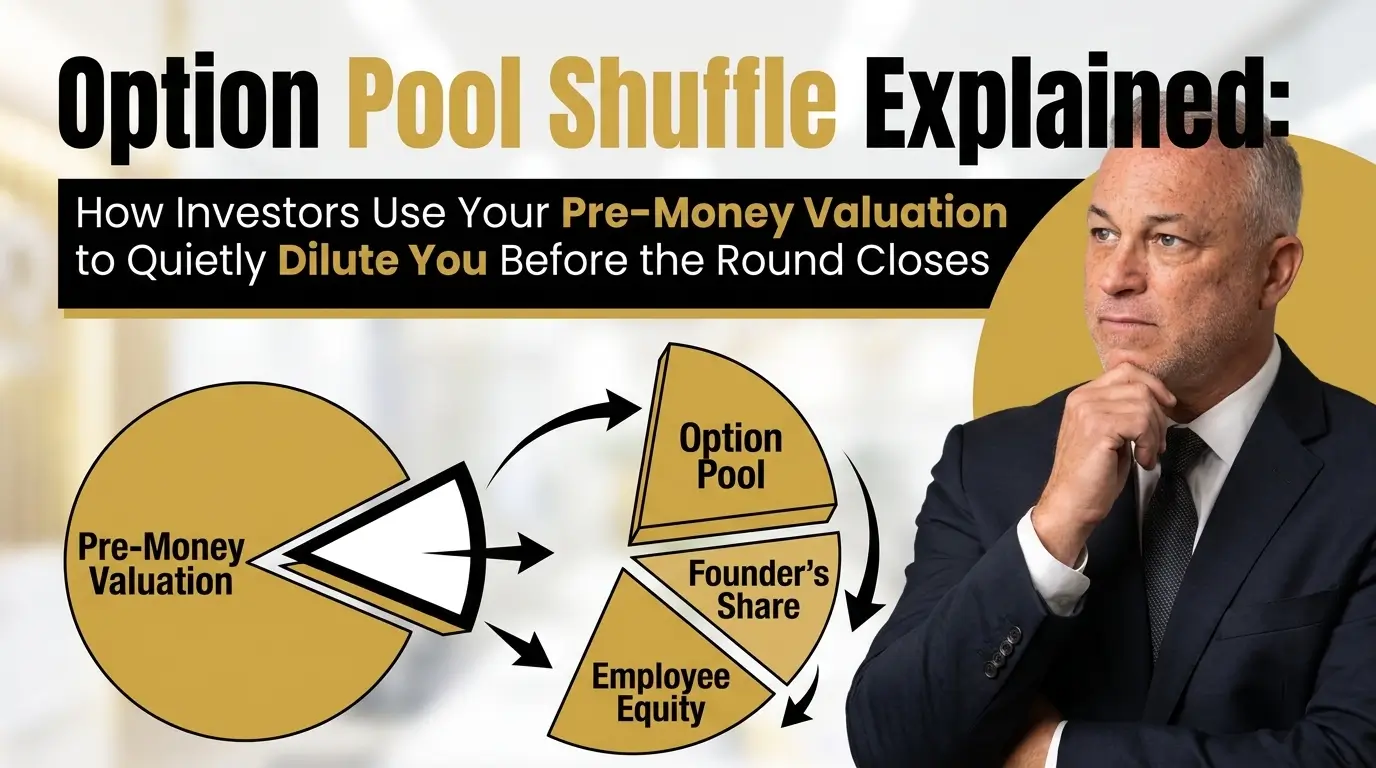
Option Pool Shuffle Explained: How Investors Use Your Pre-Money Valuation to Quietly Dilute You Before the Round Closes
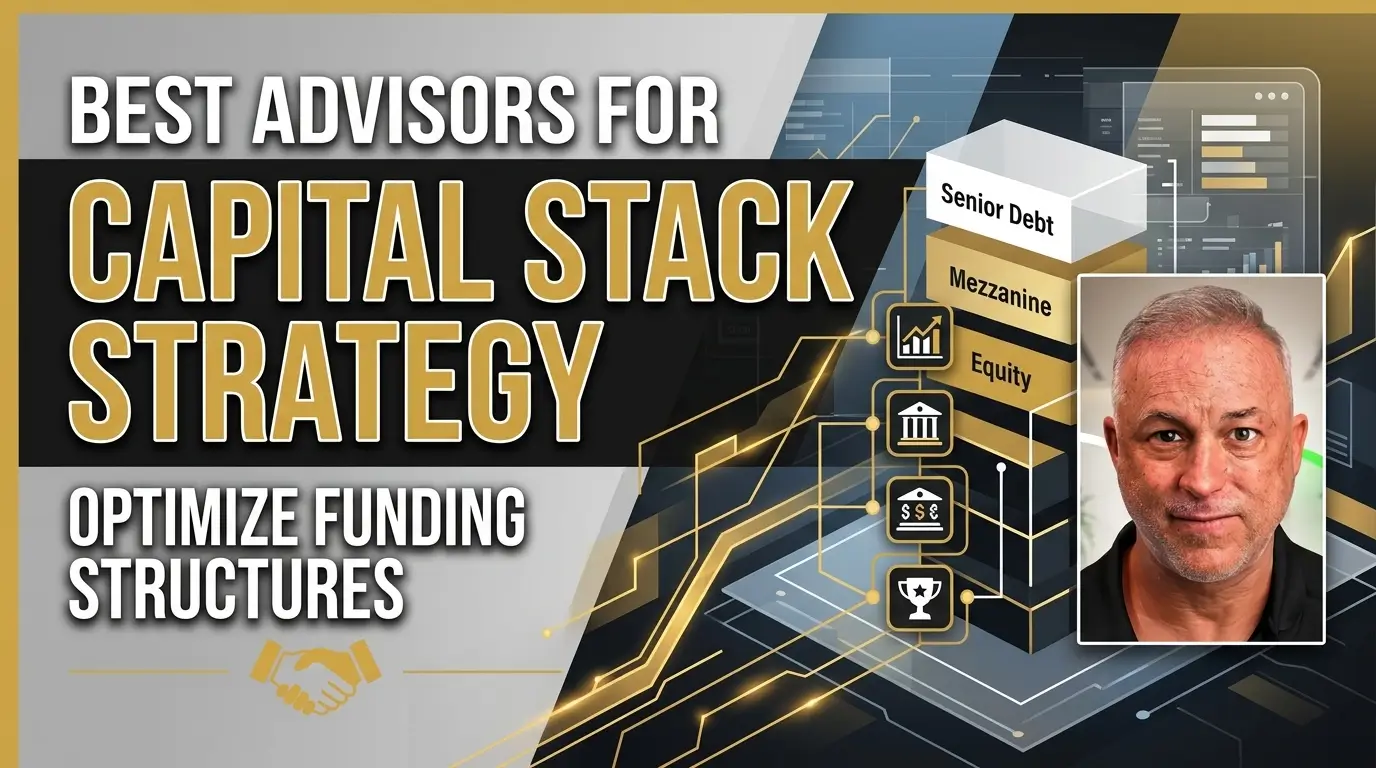
Best Advisors for Capital Stack Strategy
Disclosure
Nothing on this site constitutes an offer to sell, or a solicitation of an offer to purchase, any security under the Securities Act of 1933, as amended, or any applicable state securities laws. Any offering of securities is made only by means of a formal private placement memorandum or other authorized offering documents delivered to qualified investors.
IRC Partners is a capital advisory firm. IRC Partners is not a registered investment adviser under the Investment Advisers Act of 1940 and does not provide investment advice as defined thereunder.
Certain statements in this article may constitute forward-looking statements, including statements regarding market conditions, capital availability, investor demand, and transaction outcomes. Such statements reflect current assumptions and expectations only. Actual results may differ materially due to market conditions, regulatory developments, company-specific factors, and other variables. IRC Partners makes no representation that any outcome, return, or result described herein will be achieved.
References to prior mandates, transaction volume, network credentials, or capital raised are provided for illustrative purposes only and do not constitute a guarantee or prediction of future results. Past performance is not indicative of future outcomes. Individual results will vary. Network credentials and transaction statistics referenced on this site reflect the aggregate experience of IRC Partners' principals and affiliated advisors and are not a representation of assets managed or transactions closed solely by IRC Partners.
Certain data, statistics, and information presented in this article have been obtained from third-party sources. IRC Partners has not independently verified such information and expressly disclaims responsibility for its accuracy, completeness, or timeliness. Readers should independently verify any third-party data before relying on it.
Readers are strongly encouraged to consult qualified legal, financial, and tax professionals before making any investment, capital raising, or business decision.
Schedule A Meeting
You get one shot to raise the right way. If this raise is worth doing, it’s worth doing with precision, leverage, and control.
This isn’t a practice run. Serious capital. Serious strategy. Let’s raise it right.
We onboard a maximum of seven
new strategic partners each quarter, by application only, to maximize your chances of securing the capital you need.
