.svg "CTA Arrow")


.png "Investor Ready Capital decorative background element")

How to Hire an Advisor for Capital Raising Outcomes and Success Rates

Hiring the right capital-raising advisor can materially improve how efficiently a sponsor prepares, positions, and presents an opportunity to prospective investors. Strong outcomes depend on the advisor's market knowledge, transaction experience, investor relationships, and ability to shape a credible capital narrative. This guide explains how to evaluate advisors and set realistic expectations for engagement success.
Institutional reviewers do not spend 90 minutes with a financial model before forming a view. In most cases, the first screen takes 15 minutes or less. Within that window, they are not evaluating your upside case. They are deciding whether the model is credible enough to deserve deeper diligence. A model that fails that screen does not get a second look. It gets a polite pass, or worse, silence. The raise then stalls while the sponsor circles back, revises, and re-approaches a market that has already moved on - not because the underlying asset was weak, but because the package failed a credibility filter that could have been cleared before the first link went out.
This article builds directly on prior coverage of selection criteria, fee structures, and the engagement model standard. It does not repeat those topics. The focus here is execution mechanics: what to confirm before terms are discussed, how to run the first conversation, which clauses to negotiate, and what a proper onboarding handoff looks like.
What this article covers:
- How to verify mandate fit and regulatory standing before any agreement discussion
- How to negotiate scope, fees, exclusivity, and termination rights
- Why the written engagement model must exist before signature, and what onboarding reveals about the engagement before investor outreach starts
Process varies by raise size, mandate complexity, advisor type, and operator readiness. The framework below is disciplined, not universal.
Step 1: Verify Credentials and Mandate Fit Before Any Agreement Discussion
Before any terms are discussed, confirm that the advisor is actually qualified for this specific raise. General capital-markets experience is not enough. You need mandate fit: the right raise type, raise size, investor channel, and asset class.
For deeper vetting criteria, the reviews and evaluation framework covers how to assess an advisor's track record and references. The focus here is threshold confirmation before moving to terms.
If any of these threshold checks produce vague answers, do not move to agreement terms. Vague answers at verification become disputes after signature.
Step 2: Structure the Outreach and First Conversation Correctly
The first conversation is a mutual qualification, not a pitch. Treat it that way from the first message.
What to Bring to the First Call
Go in with a clean raise summary. The advisor needs to assess fit quickly, and operators who arrive without this signal they are not ready to engage at an institutional level.
- Target raise amount and capital structure (equity, preferred equity, structured debt, or layered stack)
- Use of proceeds and project or company stage
- Target investor type (family office, institutional LP, private equity, or a combination)
- Timing and known constraints
- Current readiness status: data room, materials, and any prior investor conversations
- Known diligence gaps you expect the advisor to help address
Questions That Reveal Execution Quality
Ask process questions, not credential questions. Credentials were covered in Step 1. Now you want to understand how the advisor actually works.
- What does the first two weeks of engagement look like?
- Who owns each deliverable, and who is the day-to-day contact?
- How do you qualify investor fit before making an introduction?
- What happens if first-pass outreach does not produce meetings?
- What is your threshold for recommending a pause in outreach?
A strong advisor will ask equally hard questions in return about your structure, timeline, attribution history, and readiness. If the first call is mostly the advisor talking about their network, that is a signal.
Red Flags in the First Conversation
- Hard timeline promises without reviewing your materials
- Network size claims without named LP types or investor channel specifics
- No questions about your readiness or structure
- Inability to distinguish warm relationships from broad contact lists
- No named deliverables in the first 30 days
Step 3: Negotiate the Key Agreement Terms
Four terms determine most of the risk in a capital advisory agreement. Get these right before signing anything else.
SEC-filed engagement letters in comparable private placements show transaction fees ranging from 6.5% to 7.0%, expense caps around $75,000, 10-day termination notice windows, and tail periods tied specifically to introduced investors. Those filed examples are useful anchors when an advisor presents terms that deviate significantly from market practice.
Tail provisions and right-of-first-refusal clauses that are not precisely defined at signing have a documented history of becoming live disputes after the engagement ends. The same dynamic applies to drag-along provisions that can create post-close disputes if investor attribution and exit consent mechanics are not cleanly defined before outreach begins. Define the investor list at signing, not after.
Step 4: Confirm the Engagement Model Before Signing
The commercial agreement covers what you are paying for. The engagement model covers how the work actually gets done. Both must exist before you sign.
A written engagement model should include:
- Named phases with clear start and end conditions
- Specific deliverables in each phase, with owners assigned
- Milestone gates that must be cleared before moving to the next phase
- A defined go-live threshold for investor outreach
- Communication cadence and escalation process
- Version control and document management protocol
An advisor who cannot produce this document before signature is telling you something. It is not a paperwork issue. It is a signal about how the engagement will be managed once the agreement is signed and the retainer is paid. Operators who have worked through governance issues that surface during pre-raise document review will recognize this pattern: the documents you do not get before signing are the ones that define your exposure after.
Key point: The engagement model is the translation layer between the commercial agreement and day-to-day execution. If it does not exist before signature, the engagement starts with ambiguity by design.
Treat the inability to produce a written engagement model as a disqualifying condition, not a negotiating point.
Step 5: Complete a Structured Onboarding Handoff
Onboarding is where the engagement either proves itself or starts drifting. Most operators treat it as a formality. It is not. It is the first accountability test.
A structured onboarding handoff should complete the following within the first two weeks:
- Data room transfer: Full access granted, folder structure reviewed, document gaps identified and logged
- Document audit: Advisor confirms which materials meet institutional diligence standards and which need revision before outreach
- Team introductions: Named contacts on both sides confirmed, roles and escalation paths clear
- Communication cadence: Meeting frequency, reporting format, and response time expectations set in writing
- First 30-day deliverables: Specific outputs agreed and documented, not general activity descriptions
- Pipeline tracker setup: Shared system for tracking investor outreach, status, and next steps established before any introductions are made
If onboarding starts with outreach talk instead of information capture and structural review, the engagement is already off track. An advisor who skips the document audit and moves straight to investor introductions is prioritizing activity over readiness.
Why this matters: Early operating discipline in the first two weeks is often more predictive of raise success than anything discussed in the sales conversation. The market will see your deal through the lens of how prepared your advisory team is, not how confident they sounded on the first call.
For operators raising institutional capital at $10M or more, IRC Partners structures onboarding as a formal phase with named deliverables and milestone gates before any investor introductions are made. That is one model for what accountable capital advisory looks like from day one.
{{main-cta}}
Protect the Hire Before the Market Sees the Deal
Hiring a capital raising advisor is a process, not a single decision. The mechanics of the hire, from first call through signed agreement and kickoff, determine whether the engagement starts with clarity or ambiguity. The right advisor still fails in a weak process.
A disciplined hiring process does three things before investor outreach begins:
- It reduces fee leakage by defining triggers, tails, and termination rights in writing
- It protects operating control by requiring a written engagement model before signature
- It tests advisor accountability before the market sees the deal, through a structured onboarding handoff
Frequently Asked Questions
What should I verify about a capital raising advisor before discussing agreement terms?
Verify mandate fit first: confirm the advisor has closed comparable mandates at your raise size, in your asset class, through the investor channels relevant to your raise. Check regulatory standing for the outreach method and raise structure. Require role attribution on prior deals, not just tombstone credit. If any of these checks produce vague answers, do not move to terms.
What should I bring to the first conversation with a capital raising advisor?
Bring a clean raise summary covering target amount, capital structure, use of proceeds, target investor type, timing, current readiness status, and known diligence gaps. Operators who arrive without this signal they are not ready to engage at an institutional level. The first call is a mutual qualification process, and your preparation is part of what the advisor is evaluating.
Which terms in a capital advisory agreement carry the most risk if left vague?
Scope of mandate, fee triggers, exclusivity provisions, and termination rights carry the most risk. Vague scope language lets the advisor define deliverables after signing. Ambiguous fee triggers create disputes over what counts as a qualifying introduction. Broad exclusivity without channel carve-outs restricts your options unnecessarily. Termination clauses without for-cause definitions make it costly to exit a non-performing engagement.
What do exclusivity and tail provisions actually mean in a capital advisory agreement?
Exclusivity means you cannot engage another advisor in the defined channels during the engagement period. A tail provision means the advisor earns a fee on capital raised from investors they introduced, even after the agreement ends. Under SEC Rule 506(c), investor introductions in general-solicitation raises carry specific verification obligations. Tail periods of 12 to 18 months tied to a named introduced-investor list are standard. Tails that apply to any investor, regardless of introduction source, are not.
How do I confirm the engagement model before signing?
Require a written document before signature that names phases, deliverables, owners, milestone gates, and the go-live threshold for investor outreach. This is not a post-signature formality. An advisor who cannot produce this document before signing is signaling how the engagement will be managed after the retainer is paid. Treat the absence of a written engagement model as a disqualifying condition.
What does a structured onboarding handoff look like for a capital advisory engagement?
A structured onboarding handoff completes six things in the first two weeks: data room transfer and gap audit, document review against institutional diligence standards, named team introductions, written communication cadence, agreed first-30-day deliverables, and a shared pipeline tracker. If onboarding starts with investor outreach talk before the document audit is complete, the engagement is already drifting from the standard set in the agreement.
What does IRC Partners' hiring and onboarding process look like for institutional mandates?
IRC Partners structures the hiring process around four sequential confirmations: mandate fit verification, agreement term negotiation, written engagement model confirmation before signature, and a formal onboarding phase with named deliverables and milestone gates before any investor introductions are made. For operators raising $10M or more in institutional capital, that sequence is designed to protect economics, preserve control, and confirm operational readiness before the market sees the deal.
Continue reading this series:
- Key Benefits of Capital Raising Outcomes and Advisor Success Rates
- Engagement Model for Capital Raising Outcomes and Success Rates
- Fees for Capital Raising Outcomes and Success Rates
IRC Partners advises operators raising $5M to $250M of institutional capital on structure, positioning, and round architecture. We take seven strategic partners per quarter. No placement agent model. No success-only theater. Capital is raised on the strength of how the deal is built. If you want your current raise reviewed before it reaches the market and silently fails , apply here.
Sponsors weighing this decision should first complete a capital raise readiness assessment for sponsors to confirm the raise is investor-ready.
Need guidance on your capital raise?


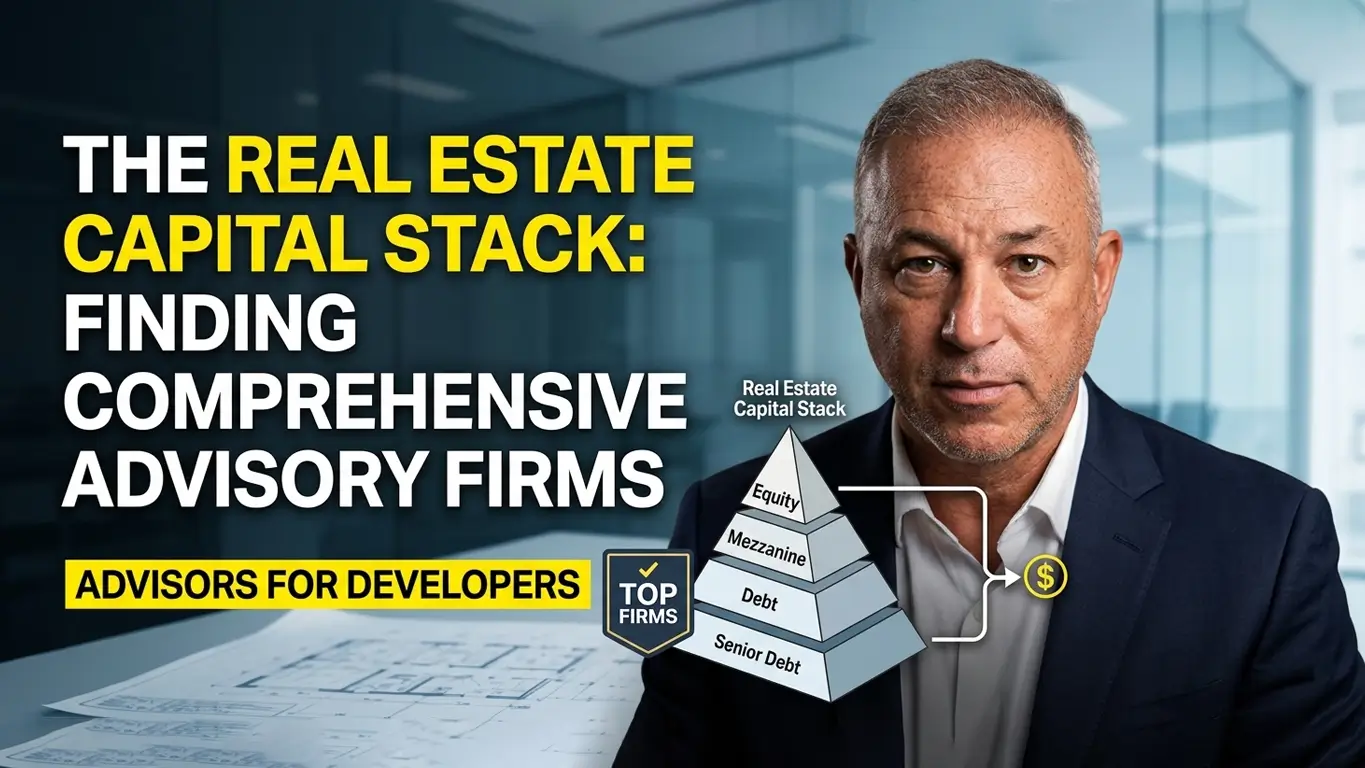
Which Advisory Firms Offer Comprehensive Capital Raising Services for Real Estate Developers?
Programmatic JVs vs. Closed-End Funds: Which Capital Structure Fits Your Stage?

Fees for Real Estate Capital Raising
Disclosure
Nothing on this site constitutes an offer to sell, or a solicitation of an offer to purchase, any security under the Securities Act of 1933, as amended, or any applicable state securities laws. Any offering of securities is made only by means of a formal private placement memorandum or other authorized offering documents delivered to qualified investors.
IRC Partners is a capital advisory firm. IRC Partners is not a registered investment adviser under the Investment Advisers Act of 1940 and does not provide investment advice as defined thereunder.
Certain statements in this article may constitute forward-looking statements, including statements regarding market conditions, capital availability, investor demand, and transaction outcomes. Such statements reflect current assumptions and expectations only. Actual results may differ materially due to market conditions, regulatory developments, company-specific factors, and other variables. IRC Partners makes no representation that any outcome, return, or result described herein will be achieved.
References to prior mandates, transaction volume, network credentials, or capital raised are provided for illustrative purposes only and do not constitute a guarantee or prediction of future results. Past performance is not indicative of future outcomes. Individual results will vary. Network credentials and transaction statistics referenced on this site reflect the aggregate experience of IRC Partners' principals and affiliated advisors and are not a representation of assets managed or transactions closed solely by IRC Partners.
Certain data, statistics, and information presented in this article have been obtained from third-party sources. IRC Partners has not independently verified such information and expressly disclaims responsibility for its accuracy, completeness, or timeliness. Readers should independently verify any third-party data before relying on it.
Readers are strongly encouraged to consult qualified legal, financial, and tax professionals before making any investment, capital raising, or business decision.
Schedule A Meeting
You get one shot to raise the right way. If this raise is worth doing, it’s worth doing with precision, leverage, and control.
This isn’t a practice run. Serious capital. Serious strategy. Let’s raise it right.
We onboard a maximum of seven
new strategic partners each quarter, by application only, to maximize your chances of securing the capital you need.
