.svg "CTA Arrow")


.png "Investor Ready Capital decorative background element")

What Is a Fund Fact Sheet and Do Institutional LPs Require One Before a First Meeting?

What Is a Fund Fact Sheet and Do Institutional LPs Require One Before a First Meeting?
TL;DR: Institutional LPs don't always call it mandatory, but most expect a fund fact sheet before a first meeting. Arriving without one is a credibility gap.
- What a Fund Fact Sheet Is, and What It Is Not: A fund fact sheet is a structured, one-to-two page document that presents the core elements of a real estate fund in institutional shorthand.
- Fund Fact Sheet vs. Pitch Deck vs. PPM: These three documents are not interchangeable.
- What Institutional LPs Expect to See in a 1-2 Page Fact Sheet: Every section of a fund fact sheet should answer a specific screening question that an LP analyst would ask before recommending the fund for further review.
A fund fact sheet is a 1-2 page structured summary of a real estate fund's strategy, team, headline terms, and track record. Institutional LPs do not always call it mandatory by name, but most expect one before or immediately around a first meeting. For a first-time manager, arriving without one is a credibility gap. The fact sheet's job is not to replace diligence documents. It is to earn the next conversation.
Three things to know before reading further:
- A fund fact sheet is a screening document, not a sales brochure. Its purpose is to help an LP decide whether the fund fits their mandate before they commit time to a full review.
- Most serious institutional allocators, including pension fund analysts, endowment staff, and family office investment teams, expect a concise institutional summary before agreeing to a first meeting or advancing one.
- For first-time real estate fund managers, the fact sheet is often the first proof that you understand how institutional capital works.
North American closed-end real estate fundraising volumes have fallen roughly 45% below the 2021 peak, according to NAIOP's analysis of institutional real estate fundraising. Institutional LPs are limiting new manager relationships and raising the bar for first impressions. In that environment, a well-prepared fact sheet is not a nice-to-have. It is the minimum signal of institutional readiness.
This article is a practical guide for real estate sponsors preparing their first institutional fund raise. It is not legal or financial advice. Before finalizing any offering materials, fund managers should engage qualified fund counsel and a capital advisor experienced in institutional fundraising.
What a Fund Fact Sheet Is, and What It Is Not
A fund fact sheet is a structured, one-to-two page document that presents the core elements of a real estate fund in institutional shorthand. It is designed for fast review by LP analysts, investment committee staff, and allocators who need to determine fit before investing time in a full pitch deck, data room, or PPM.
What belongs in a fact sheet: fund name and legal structure, strategy and target asset class, geography, target fund size, minimum commitment, headline economics, GP team and track record summary, key service providers, fund status, and a legal disclaimer.
What a fact sheet is not:
- It is not a pitch deck. A pitch deck tells a narrative story with slides, visuals, market analysis, and case studies. A fact sheet presents structured data points.
- It is not a private placement memorandum. A PPM is a legal disclosure document. A fact sheet is a summary. Using a fact sheet as a PPM substitute is a serious error.
- It is not a marketing brochure. Adjectives like "best-in-class" and "proven track record" without supporting numbers are the fastest way to signal that you do not understand how institutional allocators read documents.
- It is not a mini-data room. The fact sheet should reference that a full data room is available, not try to contain it.
The tone should be factual, restrained, and specific. Institutional allocators read dozens of these documents. They are not looking for enthusiasm. They are looking for clarity.
For the full picture of how the fact sheet fits into the broader document stack for a $100M institutional fund raise, see the complete fund document guide for institutional real estate raises.
Fund Fact Sheet vs. Pitch Deck vs. PPM
These three documents are not interchangeable. Each one serves a different function in the LP engagement sequence. Confusing them wastes LP time and signals that the manager does not understand how institutional fundraising actually works.
How the Sequence Works
The typical engagement sequence for a first-time real estate fund raise looks like this:
- Fact sheet is shared before or alongside the first meeting request
- Pitch deck is presented during the first formal meeting
- Data room and PPM are provided once the LP advances to diligence
- Legal review and side letter negotiations follow
According to Pipelineroad's LP pitch deck framework, institutional LPs spend roughly 3-4 minutes on an initial deck review, and more than 80% rank track record as the single most important factor. That time pressure is exactly why the fact sheet matters. If an LP has to hunt through a 20-slide deck to find the fund size, the preferred return, and the GP's track record, you have already lost their attention.
The fact sheet does not replace the pitch deck. It earns the meeting where the pitch deck gets presented. For a detailed breakdown of what belongs in the pitch deck itself, see the guide on how many slides a $100M real estate fund pitch deck should have for pension fund presentations.
The PPM is a separate document entirely. It contains the legal disclosure that governs the offering. Any material inconsistency between the fact sheet, the pitch deck, and the PPM creates problems during diligence. LP counsel will cross-reference numbers, strategy descriptions, and fee terms across all three. For what a PPM must contain, see the guide on what goes into a private placement memorandum for a real estate closed-end fund.
What Institutional LPs Expect to See in a 1-2 Page Fact Sheet
Every section of a fund fact sheet should answer a specific screening question that an LP analyst would ask before recommending the fund for further review. The following checklist reflects what institutional allocators, including pension fund analysts, endowment staff, and institutionalized family offices, routinely look for before agreeing to a first meeting.
The Eight Required Sections
1. Fund name, legal structure, and domicile What is the vehicle? Delaware LP, Cayman feeder, or other? This tells the LP whether the structure fits their mandate before they read another line.
2. Investment strategy and target asset class One to three sentences. What type of real estate, what geography, what return profile. Vague descriptions like "opportunistic real estate" without further specificity do not pass the screen.
3. Target fund size, minimum commitment, and target close date Hard numbers. LPs need to know if the check size fits their allocation parameters. A family office writing $10M+ checks will not engage with a fund targeting $15M total.
4. Fund economics Management fee, carried interest, preferred return, and waterfall structure. These must be stated explicitly. Omitting fees to avoid hard questions is one of the most common credibility mistakes first-time managers make.
5. GP team and key principals Names, roles, and relevant experience. Not bios. Two to three lines per person showing what they have specifically done in real estate: projects sourced, capital deployed, exits managed.
6. Track record summary Gross and net returns by project or fund where available. Attribution matters. Institutional allocators want to know what the GP specifically did on each deal, not just that the firm was involved. Include vintage years so LPs can benchmark against comparables.
7. Service providers Fund administrator, legal counsel, auditor. Third-party fund administration is now treated as a baseline governance control by most institutional allocators. If the fund does not yet have these in place, the fact sheet should name the intended providers and expected timeline.
8. Fund status, next close date, and contact Where is the raise? How much has been committed? When is the next close? Who is the right contact for follow-up? This tells the LP whether the timing fits their deployment cycle.
9. Legal disclaimer A brief, standard disclaimer that this is not an offer to sell securities and that the offering is made only through authorized offering documents. Fund counsel should review this language before the document is distributed.
Bold rule: Every number in the fact sheet must match the numbers in the pitch deck, the PPM, and the data room. Inconsistencies discovered during diligence are often deal-killers, not just flags.
For guidance on how the data room should be organized to support the diligence that follows a fact sheet, see the guide on how to organize a data room for a first-time real estate fund manager raising $100M.
Why the Fact Sheet Works as a Credibility Filter
Most first-time managers think about the fact sheet as a marketing document. Institutional LPs use it differently.
The real function of a fund fact sheet: It is a pre-meeting credibility screen. LPs use it to decide whether the manager is worth a conversation, whether the fund fits their mandate, and whether the team communicates like an institutional operator. The pitch itself is almost secondary to what the document reveals about how the manager thinks.
This matters for a specific reason. When LPs evaluate an emerging manager, they are rarely reacting to a single document. They are reacting to an ecosystem of materials: the fact sheet, the pitch deck, the data room, the team bios, the case studies. As Darien Group's analysis of how institutional LPs read real estate pitchbooks notes, materials circulate internally and shape perception well beyond the people in the first meeting. Analysts use them when preparing memos. Committee members skim them to understand the argument. The document you send before the meeting becomes the artifact that survives the pitch.
What the fact sheet reveals before you say a word:
- Whether you know your audience. A fact sheet written for a retail investor reads differently from one written for an institutional allocator.
- Whether your economics are defensible. Managers who omit fees or obscure the waterfall structure are signaling that the terms will not survive scrutiny.
- Whether your track record is attributable. A vague reference to "over $200M in real estate transactions" without deal-level attribution tells an LP nothing useful.
- Whether your governance is real. Named service providers, third-party administration, and a stated compliance posture are baseline signals of institutional seriousness.
For first-time managers specifically, the format of the document is itself a proof point. What you include, what you leave out, and whether the document is disciplined enough to fit two pages all signal whether you understand how institutional capital works. Understanding how to get a first institutional LP anchor commitment starts with proving that institutional readiness before the LP ever reaches investment committee.
What First-Time Managers Get Wrong
The most common fact sheet mistakes do not come from lack of effort. They come from misunderstanding what the document is supposed to do.
The Brochure Trap
Many first-time managers come from a development background where marketing materials are designed to generate excitement. Institutional fund documents work the opposite way. The more restrained and specific the language, the more credible the document. An allocator who reads "net IRR of 18.4% across four realized multifamily exits in the Southeast, 2019-2024" trusts that number far more than one who reads "exceptional performance across a diversified real estate portfolio."
The fact sheet is also not the place to hide difficult information. LPs will ask about fees, governance, and track record attribution in the first meeting. Managers who omit these items from the fact sheet do not avoid the questions. They just arrive at the meeting with less credibility than managers who addressed them upfront.
For more on how to structure your outreach and warm introduction strategy before the fact sheet even reaches an LP, see the warm introduction framework for $10M+ real estate raises.
{{main-cta}}
When a Fact Sheet Is Not Enough
A fact sheet earns the first meeting. It does not close the raise.
There are situations where a fact sheet alone will not get you to a first meeting, or where an LP will request more material before agreeing to speak:
- The strategy is unfamiliar. If the fund targets a niche asset class or an unusual structure, an LP may need a brief investment thesis document or strategy memo before the fact sheet is enough to generate interest.
- The fund is first-time and the ticket size is large. A pension fund or endowment considering a $20M+ commitment to a Fund I manager will often request the full pitch deck before confirming a first meeting.
- The LP is a fund-of-funds with an active emerging manager program. These allocators often have a formal intake process that begins with a standardized questionnaire, not just a fact sheet.
- The LP's analyst has already seen the fact sheet and wants more before escalating internally. At this stage, the full pitch deck and a data room link should be ready to share.
The right sequence for most first-time real estate fund managers is: fact sheet to earn the meeting, pitch deck for the meeting, data room and PPM once the LP advances to formal diligence. For a detailed look at what institutional LP due diligence actually involves after that first meeting, see the guide on how long institutional LP due diligence takes for a first-time real estate fund.
The stronger LPs may collapse steps. A highly active family office or fund-of-funds may ask for the full deck and a data room link in the same email where they confirm the first meeting. Being ready for that request, not scrambling for it, is another signal of institutional readiness.
Build the Shortest Document That Proves Institutional Readiness
The question is not whether every institutional LP formally requires a fund fact sheet. Some do, some do not. The real question is whether serious allocators expect to see institutional-grade clarity before they invest time in a first-time manager. They do.
A disciplined fact sheet does three things for a first-time real estate fund manager:
- It reduces friction in the LP screening process by answering the basic questions before they are asked.
- It supports better first meetings by ensuring the LP arrives informed rather than starting from zero.
- It makes the rest of the document stack, including the pitch deck, PPM, and data room, easier to trust because the numbers and strategy descriptions are consistent from the start.
Before distributing a fact sheet, confirm the following:
- Every number in the fact sheet matches the pitch deck, PPM, and data room exactly
- Fund economics, including fees, carry, and preferred return, are stated explicitly
- Track record attribution is deal-level, not portfolio-level
- Named service providers are in place or have a confirmed timeline
- Legal counsel has reviewed the disclaimer language
- The document fits two pages without requiring a font smaller than 10pt
The fund document stack is a system. The fact sheet is the front door. If the front door signals institutional fluency, LPs are more likely to walk through it. If it signals confusion, promotional thinking, or incomplete preparation, many will not.
IRC Partners works with real estate developers and emerging fund managers to structure institutional-grade capital stacks, align fund economics, and prepare the full suite of LP-facing materials before going to market. If you are preparing for a first institutional fund raise, apply to work with IRC Partners.
This article is for informational and educational purposes only. Nothing in this article constitutes legal, financial, investment, or tax advice. Fund managers should engage qualified fund counsel and a capital advisor before finalizing any offering materials or fund documents.
Frequently Asked Questions
Do institutional LPs require a fund fact sheet before a first meeting?
Not always by formal policy, but in practice most do. Pension fund analysts, endowment investment teams, and institutionalized family offices expect a concise summary document before or alongside a first meeting request. Without one, a first-time manager signals either that they are not familiar with institutional norms or that the fund materials are not yet ready. Either reading damages credibility before the meeting begins.
How long should a real estate fund fact sheet be?
One to two pages. That is the standard. If the document runs longer, it is either a pitch deck or a PPM, not a fact sheet. The constraint forces the manager to prioritize what matters most to an institutional allocator: strategy, economics, team, track record, service providers, and fund status. Everything else belongs in the deck or the data room.
What is the difference between a fund fact sheet and a private placement memorandum?
A fund fact sheet is a pre-meeting screening summary. A private placement memorandum (PPM) is a legal disclosure document that governs the offering and is typically 80 to 200+ pages. The fact sheet summarizes the fund at a high level. The PPM provides the full legal terms, risk factors, and disclosures required under securities law. Using one as a substitute for the other creates either a credibility gap or a legal problem.
What performance metrics should a real estate fund fact sheet include?
At minimum, the fact sheet should include gross IRR and equity multiple on realized deals, net IRR where available, and vintage years for benchmarking. Attribution matters: LPs want to see what the GP specifically did on each deal, not just aggregate portfolio statistics. Funds that are pre-close with no prior track record should show the team's deal-level history from prior roles, with clear attribution to individual contributions.
Should a first-time fund manager include fees in the fact sheet?
Yes, always. Management fee, carried interest rate, preferred return, and the basic waterfall structure should be stated explicitly. Omitting fee terms to avoid difficult questions in the first meeting is one of the most common credibility mistakes first-time managers make. Institutional LPs will ask about fees regardless. Managers who include them upfront signal that the economics are defensible.
What happens if the fact sheet is inconsistent with the pitch deck or PPM?
LP counsel and diligence teams cross-reference documents. If the management fee stated in the fact sheet is 1.5% and the PPM says 2%, or if the target fund size in the deck is $100M and the fact sheet says $75M, those inconsistencies will surface in diligence. They are often treated as evidence of disorganization or, worse, of intentional misrepresentation. Every number in every document must match exactly.
Is a fund fact sheet a legally required document for a real estate fund offering?
No. A fund fact sheet is not required by securities law. The legally required disclosure document for a private fund offering is the private placement memorandum. However, the fact sheet may be considered marketing material subject to anti-fraud provisions under securities law, which is why legal counsel should review the disclaimer language before distribution. This article is not legal advice. Fund managers should consult qualified fund counsel on all offering materials.
Continue reading this series:
- How Real Estate Developers Structure a $100M Closed-End Fund for Institutional LPs
- What Goes Into a Private Placement Memorandum for a Real Estate Closed-End Fund
- How to Organize a Data Room for a First-Time Real Estate Fund Manager Raising $100M
This isn't for pre-revenue companies or first-time founders. It's for operators at $1M+ ARR, raising $5M to $250M of institutional capital, who've done this before and want the next round architected right. If that's you, schedule a call to discuss HERE.
Sponsors weighing this decision should first complete a capital raise readiness assessment for sponsors to confirm the raise is investor-ready.
Need guidance on your capital raise?


Key Benefits of Capital Raising Advisory
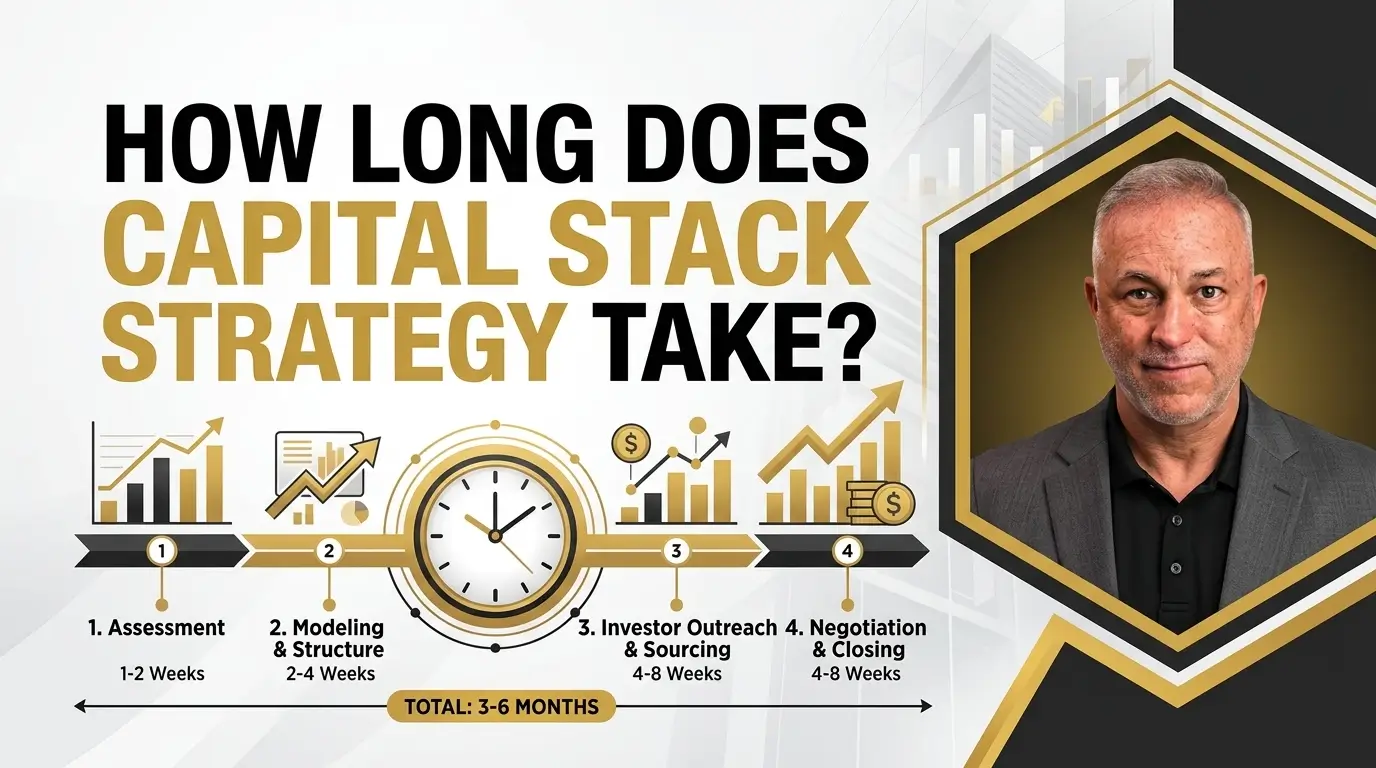
How Long Does a Capital Stack Advisory Engagement Take? A Realistic Timeline From Kickoff to Close

Do You Need a Placement Agent to Raise a $100M Real Estate Fund?
Disclosure
Nothing on this site constitutes an offer to sell, or a solicitation of an offer to purchase, any security under the Securities Act of 1933, as amended, or any applicable state securities laws. Any offering of securities is made only by means of a formal private placement memorandum or other authorized offering documents delivered to qualified investors.
IRC Partners is a capital advisory firm. IRC Partners is not a registered investment adviser under the Investment Advisers Act of 1940 and does not provide investment advice as defined thereunder.
Certain statements in this article may constitute forward-looking statements, including statements regarding market conditions, capital availability, investor demand, and transaction outcomes. Such statements reflect current assumptions and expectations only. Actual results may differ materially due to market conditions, regulatory developments, company-specific factors, and other variables. IRC Partners makes no representation that any outcome, return, or result described herein will be achieved.
References to prior mandates, transaction volume, network credentials, or capital raised are provided for illustrative purposes only and do not constitute a guarantee or prediction of future results. Past performance is not indicative of future outcomes. Individual results will vary. Network credentials and transaction statistics referenced on this site reflect the aggregate experience of IRC Partners' principals and affiliated advisors and are not a representation of assets managed or transactions closed solely by IRC Partners.
Certain data, statistics, and information presented in this article have been obtained from third-party sources. IRC Partners has not independently verified such information and expressly disclaims responsibility for its accuracy, completeness, or timeliness. Readers should independently verify any third-party data before relying on it.
Readers are strongly encouraged to consult qualified legal, financial, and tax professionals before making any investment, capital raising, or business decision.
Schedule A Meeting
You get one shot to raise the right way. If this raise is worth doing, it’s worth doing with precision, leverage, and control.
This isn’t a practice run. Serious capital. Serious strategy. Let’s raise it right.
We onboard a maximum of seven
new strategic partners each quarter, by application only, to maximize your chances of securing the capital you need.
