



What Is Inside a Capital Raise Pre-Flight Report?

TL;DR: The Capital Raise Pre-Flight scores your deal across the 12 gates investors screen before they commit, then ranks the gaps so you know what to fix first. It is Phase 1 of the IRC process. The fee is $5,000 and credits forward into the build if you move ahead.
The Capital Raise Pre-Flight scores your deal across the 12 gates investors screen before they commit and ranks the gaps, so you can fix them. That is the whole point. You get a clear picture of where your deal stands today, and you know which gaps to close first before you start outreach.
If you have a 506(c) raise live or in progress, this article explains what the Pre-Flight covers and why it matters right now.
Why does a 506(c) raise become public the moment you file?
Under Rule 506(c), issuers may use general solicitation to advertise a raise to the public. Every purchaser must be accredited, and the issuer must take reasonable steps to verify that status. Rule 506 issuers file a Form D with the SEC.
According to SEC data, there were 34,553 new Regulation D offerings in 2025, with a total of $2,391.5 billion sold.
That Form D goes on EDGAR. It is public. Anyone can search it.
Investors can search it too. A family office analyst, a private equity associate, or an institutional allocator can pull your filing before they ever reply to your outreach. They see your raise size, your entity, and your exemption type. They know you have a live deal.
That means your package is already being evaluated before you know it. The question is whether it holds up.
Key point: General solicitation gives you reach. It also puts your deal on the public record. Investors will look you up. Your materials need to be ready before they do.
How do investors screen a deal before they commit?
Investors run a screen first.
Before a serious allocator spends real time on your deal, they check it against a set of gates. These are the minimum standards a deal must meet at each stage of their review process. If your deal fails a gate early, the conversation stops there. You may never know why.
Many sponsors and founders do not know which gates they fail. They send out materials, get polite responses, and then hear nothing. That silence often points to a readiness gap.
Read more: Capital raise audit vs. pitch deck review: what institutional investors actually screen covers how these two types of review differ and why a full audit catches what a deck review misses.
The Pre-Flight maps your deal against all 12 of those gates. You see a score for each one. You see where you stand today.
What does a score per gate tell you?
A score per gate tells you exactly where your deal stands at that gate today.
It is a gate-by-gate assessment of whether your deal clears each standard an investor applies. Some gates you may clear easily. Others may have significant gaps.
That specificity is what makes the Pre-Flight useful. General feedback sounds like "the deck needs work" or "the model isn't institutional grade." That kind of feedback does not tell you what to fix first or how far off you are.
A scored gate does. You know the gap. You know its size. You can act on it.
Why ranking the gaps is the critical step
You need to know which gaps to close first.
Some gaps carry more weight than others. A gap at an early screening gate can stop an investor before they ever reach your financial model. A gap in your data room may only surface during deep diligence. The sequence matters.
The Pre-Flight ranks the gaps. That ranking tells you where to spend your energy before you go to market. You fix the biggest blockers first. You go into investor conversations with a package that holds up at every gate you have addressed.
Related: Decision friction: the disqualifier on your side of the table explains how preventable gaps in materials and structure cause investors to go quiet after a first meeting.
This is the core reason the Pre-Flight exists. You should not spend your best investor conversations on a package that is not ready. Those conversations are hard to get. You want them to count.
"When presented with red flags, the BD must do more than simply rely upon representations by issuer's management, the disclosure in an offering document or even a due diligence report of issuer's counsel." Source: FINRA Regulatory Notice 10-22 (2010).
How does the Pre-Flight fit into the IRC process?
The Pre-Flight is Phase 1 of a three-phase process. Each phase has a defined purpose.
Phase 1: The diagnostic
The Pre-Flight is the diagnostic. It scores your deal across the 12 gates and ranks the gaps. The output of Phase 1 sets the scope for everything that follows. You know what needs to be fixed, in what order, and at what level of institutional standard.
This is where the engagement begins. The diagnostic drives the build.
Phase 2: The build
Phase 2 fixes what the Pre-Flight flags. IRC builds the materials and structure to institutional standard. That includes the deck, the financial model, the data room, the offering structure, and the raise strategy. Each item is built to clear the gates where gaps were identified in Phase 1.
The build is scoped and priced off the diagnostic. You pay for the specific fixes your deal needs. The Pre-Flight fee credits forward into the build engagement.
Phase 3: Go-to-market
Phase 3 is the go-to-market. IRC builds and runs the go-to-market with you through the raise. This phase is advisory, deliverable and date based, and scoped at the outset.
The three phases are sequential. The diagnostic informs the build. The build enables the go-to-market. You do not skip ahead.
Start with the diagnostic: Get the Capital Raise Pre-Flight and know exactly where your deal stands before outreach begins.
What questions does the Pre-Flight answer for a sponsor or founder?
Sponsors and founders come to the Pre-Flight with specific questions. The diagnostic is built to answer them.
| Question a founder or sponsor asks | What the Pre-Flight shows | What you do next |
|---|---|---|
| Are my materials ready for institutional review? | A score at each gate where materials are evaluated | Fix the gaps the diagnostic identifies before outreach |
| Where will investors stop reading my package? | The gates where your deal falls short today | Prioritize those gates in the Phase 2 build |
| Is my offering structure aligned with what allocators expect? | Your score at each gate and where the gaps sit | Fix the flagged gaps in Phase 2 before presenting to investors |
| What is the biggest blocker in my raise right now? | A ranked list of gaps | Address the top-ranked gap first |
| Is my data room ready for diligence? | Your score at each gate and where the gaps sit | Fix the flagged gaps to institutional standard in Phase 2 |
| How do I know what to fix and in what order? | The ranked gap list from the diagnostic | Follow the sequence the Pre-Flight produces |
See also: How much does a capital raise audit cost in 2026? breaks down what a full audit covers and how to evaluate any diagnostic quote.
Who is the Capital Raise Pre-Flight for?
The Pre-Flight fits three situations.
A raise about to launch. You have a deal ready to go to market and you want to know where you stand before the first investor conversation. The diagnostic tells you what to fix before outreach begins.
A raise that has stalled. You have been in market and the conversations are not converting. Investors are polite but not moving forward. The Pre-Flight identifies the gate-level gaps that are creating that friction.
A sponsor about to file. Your Form D is not yet on EDGAR, but it will be soon. The Pre-Flight gives you a scored picture of your readiness before your raise becomes public and investors can look you up.
All three situations share the same need. You need to know where your deal stands against the gates investors use to screen before they commit. The Pre-Flight provides that.
How do you prepare for the Pre-Flight?
Preparation is straightforward. Gather the materials you already have.
- Your current pitch deck. Whatever version you are using or plan to use for outreach.
- Your financial model. The model as it stands today, including projections and assumptions.
- Your offering documents. The PPM, subscription agreement, or term sheet if they exist.
- Your Form D. If you have filed, pull the copy from EDGAR. If you have not filed yet, have a draft ready.
You do not need polished materials to start the Pre-Flight. The diagnostic scores what you have. If your materials have gaps, the scoring will reflect that. That is the point.
Bring what exists. The Pre-Flight works from there.
Ready to see where your deal stands? Get the Capital Raise Pre-Flight and get a scored, ranked view of your deal across every gate investors use before they commit.
Frequently Asked Questions
What is the Capital Raise Pre-Flight?
The Capital Raise Pre-Flight is a diagnostic that scores your deal across the 12 gates investors use to screen before they commit. It ranks the gaps so you know which ones to fix first. The output is a scored, prioritized view of your deal's readiness for institutional outreach.
Does my raise need to be a 506(c) offering to use the Pre-Flight?
This article focuses on 506(c) raises because a Form D on EDGAR is public, so investors can look up your deal before they reply. If your raise uses another exemption, ask IRC whether the Pre-Flight fits.
What if my materials are not finished yet?
Bring what you have. The Pre-Flight scores your current materials against the 12 gates. Gaps in your materials will show up in the scoring. That is useful information. You do not need a finished package to start the diagnostic.
How does the Pre-Flight fee work if I move forward with IRC?
The Pre-Flight fee credits forward. If you proceed to Phase 2, the build engagement, the Pre-Flight fee applies toward that engagement. The build is scoped and priced off the diagnostic output.
What does IRC build in Phase 2?
Phase 2 fixes what the Pre-Flight flags. IRC builds to institutional standard across the areas where gaps were identified. That includes the deck, financial model, data room, offering structure, and raise strategy, scoped to the specific gaps from Phase 1.
My raise has been in market for a while with no traction. Will the Pre-Flight help?
The Pre-Flight identifies the gate-level gaps that are causing investor friction. If your raise has stalled, the diagnostic gives you a specific, scored explanation of where the package is falling short.
Is the Pre-Flight a guarantee that my raise will close?
No. The Pre-Flight is a diagnostic. It scores your deal and ranks the gaps. IRC's engagements are advisory, build, and go-to-market, tied to deliverables and dates. IRC does not guarantee outcomes, commitments, or a close.
Continue reading this series:
Need guidance on your capital raise?


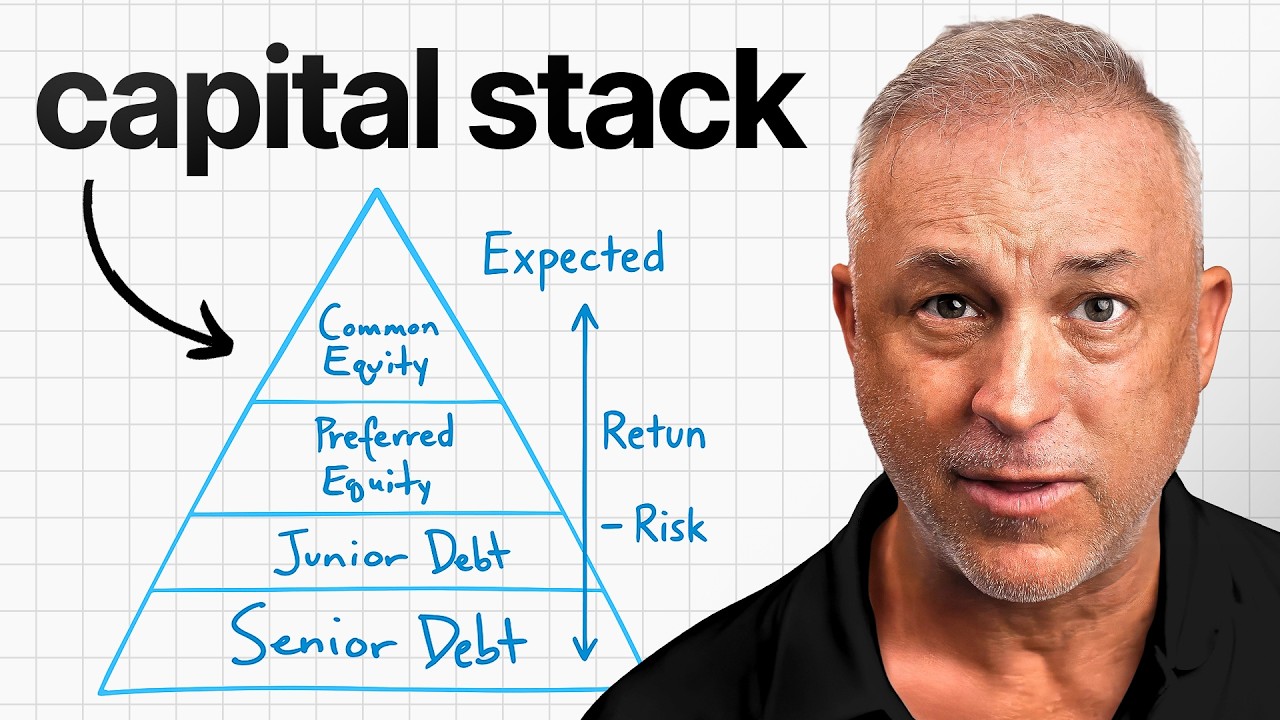

The Capital Stack Explained: Equity, Debt, SAFEs & What Investors Actually Want

How to Hire an Advisor for Capital Stack Strategy

How Do Family Offices Evaluate a Sponsor's Succession Plan Before Entering a Multi-Year Real Estate Investment Relationship?
Disclosure
Nothing on this site constitutes an offer to sell, or a solicitation of an offer to purchase, any security under the Securities Act of 1933, as amended, or any applicable state securities laws. Any offering of securities is made only by means of a formal private placement memorandum or other authorized offering documents delivered to qualified investors.
IRC Partners is a capital advisory firm. IRC Partners is not a registered investment adviser under the Investment Advisers Act of 1940 and does not provide investment advice as defined thereunder.
Certain statements in this article may constitute forward-looking statements, including statements regarding market conditions, capital availability, investor demand, and transaction outcomes. Such statements reflect current assumptions and expectations only. Actual results may differ materially due to market conditions, regulatory developments, company-specific factors, and other variables. IRC Partners makes no representation that any outcome, return, or result described herein will be achieved.
References to prior mandates, transaction volume, network credentials, or capital raised are provided for illustrative purposes only and do not constitute a guarantee or prediction of future results. Past performance is not indicative of future outcomes. Individual results will vary. Network credentials and transaction statistics referenced on this site reflect the aggregate experience of IRC Partners' principals and affiliated advisors and are not a representation of assets managed or transactions closed solely by IRC Partners.
Certain data, statistics, and information presented in this article have been obtained from third-party sources. IRC Partners has not independently verified such information and expressly disclaims responsibility for its accuracy, completeness, or timeliness. Readers should independently verify any third-party data before relying on it.
Readers are strongly encouraged to consult qualified legal, financial, and tax professionals before making any investment, capital raising, or business decision.
Schedule A Meeting
You get one shot to raise the right way. If this raise is worth doing, it’s worth doing with precision, leverage, and control.
This isn’t a practice run. Serious capital. Serious strategy. Let’s raise it right.
We onboard a maximum of seven
new strategic partners each quarter, by application only, to maximize your chances of securing the capital you need.
