.svg "CTA Arrow")


.png "Investor Ready Capital decorative background element")

How Acqui-Hire Attempts and Failed M&A Discussions Leave Cap Table Scars That Series B Investors Always Find

How Acqui-Hire Attempts and Failed M&A Discussions Leave Cap Table Scars That Series B Investors Always Find
A failed acquisition attempt or an abandoned acqui-hire discussion does not simply erase itself from a company's historical record once negotiations break down. Instead, the unrescinded board resolutions, executed non-disclosure agreements (NDAs), retention equity grants, and informal side agreements generated during the process remain embedded within the corporate minute book and equity ledgers. When a company moves on to launch an institutional Series B funding round, investor counsel will meticulously review these past transactions. Rather than viewing a terminated deal as a closed chapter, institutional reviewers treat it as an open legal liability until the sponsor can document that every deal-period action was formally unwound, properly ratified, or explicitly disclosed. Loose recordkeeping around failed processes—such as leaving open authorizations active or carrying deal-contingent equity awards without a deal-independent basis—signals a broader systemic failure in corporate governance that can stretch closing timelines, inflate legal fees, or force restrictive deal terms. To protect fundraising momentum, founders must systematically execute an internal audit of all prior deal correspondence, reconcile conflicting cap table representations, and establish a counsel-approved disclosure memo well before entering institutional due diligence.
Most founders treat a failed deal as a closed chapter. Series B counsel treats it as an open question until the company can prove every action taken during that process was either properly completed, formally unwound, or clearly disclosed.
This article explains what residue a failed M&A process leaves behind, how counsel finds it, and what you need to clean up or disclose before approaching a Series B lead. For a broader look at cap table issues that surface before a round opens, see what cap table problems kill a Series B before the lead investor reads your deck.
Key takeaways:
- Board resolutions and written consents tied to a failed M&A process stay in the corporate record until superseded or addressed by a subsequent board action.
- Retention equity granted to key employees during an acqui-hire attempt may carry vesting, authorization, or classification issues if it was never terminated or properly documented.
- NDAs and confidentiality agreements signed with a prospective acquirer often include provisions that survive deal termination.
- Side letters, informal retention promises, and undisclosed term sheets can create off-cap-table obligations that Series B counsel will flag.
- Representations made to a prospective acquirer about cap table composition or option pool size that differ from current records create a credibility and disclosure problem.
- The issue is not that a deal failed. The issue is whether everything done during the process was cleaned up, documented, or disclosed.
Why Failed M&A Processes Leave Structural Residue
When a company enters M&A discussions, the process generates a paper trail across multiple record types. A deal that never closes does not erase that trail. It leaves it sitting in the minute book, the equity ledger, the NDA log, and the diligence file.
Under Delaware General Corporation Law, Title 8, boards act through resolutions passed at meetings or by unanimous written consent under 8 Del. C. § 141(f). Those actions become part of the formal corporate record the moment they are executed. There is no automatic expiration. A board resolution authorizing M&A discussions, approving a due diligence data room, or ratifying a retention grant during a deal period stays in the record until a subsequent board action supersedes or addresses it.
The same logic applies to NDAs and LOIs. Even a non-binding letter of intent can contain provisions that survive termination, including confidentiality obligations, no-shop clauses, and expense reimbursement requirements.
The Five Cap Table Scars That Surface in Series B Diligence
Failed M&A processes tend to leave the same categories of residue. Each one creates a distinct diligence problem.
- Retention equity granted during an acqui-hire attempt that was never terminated or properly documented. As Cooley GO notes on acqui-hire structures, the bulk of acqui-hire deal value is typically earmarked for employee retention packages. When those packages included equity grants and the deal never closed, those grants remain on the cap table without a clear deal-related basis. Series B counsel will ask for the board authorization, the grant agreement, the vesting schedule, and confirmation that the grant was not contingent on a transaction that never occurred.
- Side letters or informal retention promises made to key employees or investors during deal discussions. These create off-cap-table obligations or consent rights that may not appear in the standard equity records. Undisclosed side agreements are a separate diligence problem. For a detailed look at how side letters surface in Series B diligence, see how undisclosed investor commitments create Series B landmines.
- Board resolutions that authorized M&A-related actions but were never formally rescinded. A resolution approving a data room, authorizing management to negotiate deal terms, or ratifying a retention grant during a deal period does not disappear when the deal dies. It stays in the minute book as an open authorization until the board takes action to address it.
- Representations made to a prospective acquirer about cap table composition, authorized shares, or option pool size that differ from current records. If the company told an acquirer it had a fully diluted share count of X and the current cap table shows Y, Series B counsel will want to understand the discrepancy. Even if the difference is explainable, an undisclosed inconsistency creates a credibility question.
- Undisclosed term sheets or LOIs that created exclusivity periods, standstill obligations, or expense reimbursement requirements. Even a non-binding LOI can include binding provisions. If those provisions were never formally terminated and the company never disclosed the prior M&A process, the financing diligence will surface them.
How Series B Counsel Finds M&A Residue
Series B counsel does not need the company to volunteer its M&A history. Four standard diligence pathways will surface it regardless.
What this means in practice: A company that ran a quiet acqui-hire process two years ago and never mentioned it will still have NDA logs naming the prospective acquirer, board minutes referencing a data room authorization, and equity grants made during the same quarter. Counsel does not need a confession. The records speak for themselves.
Poor data room documentation compounds this risk. If records are incomplete or disorganized, counsel cannot distinguish between a clean history and a concealed one. For a detailed look at how documentation gaps create their own diligence problems, see how poor cap table documentation in your Series B data room kills deals.
{{main-cta}}
Why This Becomes a Series B Problem Specifically
Series B lead counsel is doing more than verifying who owns what. They are confirming that every equity action was properly authorized, every material obligation was disclosed, and the cap table as presented is accurate and complete. A failed M&A process creates risk across all three of those tests.
- An unrescinded board resolution may leave an open authorization that creates an ambiguity about management's current authority.
- A retention grant with no clean deal-independent basis may require a board cleanup resolution and an updated option agreement before the financing can close.
- An undisclosed exclusivity clause from a prior LOI may require a termination confirmation letter before counsel can sign off on the disclosure schedules.
- Any one of these items can add weeks to closing, increase legal fees, or prompt a request for an escrow or indemnification holdback.
The real risk: Unresolved M&A residue does not usually kill a Series B outright. It delays it, increases legal friction, and signals to the lead investor that governance discipline may be a broader issue. That signal affects terms, not just timeline.
The pattern Series B counsel sees most often is not fraud or concealment. It is a company that ran a legitimate process, the deal fell apart, and nobody went back to clean up the records. The company moved on. The records did not. For founders looking to stay ahead of these issues across all stages of a raise, the IRC Partners news and insights library covers the full range of capital structure, diligence, and governance topics that institutional investors scrutinize.
Who Is Exposed and What the Cleanup Options Are
Not every company that had M&A conversations carries the same level of residue risk. Exposure depends on how formal the process was and what actions were taken during it.
The earlier you identify the exposure, the less expensive the cleanup. Companies that surface these issues during their own pre-financing review control the narrative. Companies that surface them during diligence do not.
What to Confirm Before Approaching a Series B Lead
Run these four steps with counsel before your first investor conversation.
- Pull the full board minute and written consent history. Flag every resolution that references M&A discussions, data room access, due diligence authorization, or deal-related equity actions. Confirm whether each one was followed by a closing, a formal termination, or nothing at all.
- Audit every equity grant made during any M&A discussion period. For each grant, confirm the board authorization, the stated basis for the grant, the vesting schedule, and whether any portion of the grant was contingent on a transaction. If a grant was deal-related and the deal never closed, engage counsel on whether the grant needs to be terminated, re-documented, or disclosed. Cooley GO's guidance on acqui-hire buyer diligence notes that acqui-hire targets frequently have uncertain ownership records and side deals that were never formally documented.
- Identify every NDA, confidentiality agreement, LOI, and term sheet signed with a prospective acquirer. Confirm which provisions remain active, whether any exclusivity or standstill periods are still in effect, and whether any reimbursement obligations were triggered.
- Prepare a short disclosure memo. It should state what discussions occurred, when they ended, what obligations or representations were made, and what has already been cleaned up. This memo becomes part of your pre-financing documentation and demonstrates that the company is aware of its history and in control of the record.
Pre-Series B M&A Residue Checklist
Before approaching a Series B lead investor, confirm each of the following:
- Full board minute and written consent history reviewed for M&A references
- All equity grants made during M&A discussion periods identified and documented
- Vesting, authorization, and termination status confirmed for each deal-period grant
- All NDAs, confidentiality agreements, LOIs, and term sheets from prior M&A processes inventoried
- Active provisions in each agreement confirmed or terminated in writing
- Side letters, informal retention arrangements, and deal-related promises identified and reviewed
- Disclosure memo prepared covering prior discussions, outcomes, and current obligation status
- Counsel engaged before investor outreach begins
Frequently Asked Questions
Do failed M&A discussions need to be disclosed in a Series B data room?
Yes, if any obligations, representations, or authorizations from those discussions remain unresolved. Series B counsel will ask about prior M&A activity as part of standard diligence. Disclosing a failed process proactively, with a clear memo explaining what happened and what was cleaned up, is far better than having counsel find it in the board minutes without context.
Which board resolutions from a failed M&A process may need follow-up action?
Any resolution that authorized management to negotiate deal terms, approved data room access, ratified a deal-related equity grant, or approved a letter of intent should be reviewed. If the deal never closed and no follow-up resolution addressed those authorizations, counsel may flag them as open board actions that create ambiguity about current management authority.
How is retention equity granted during an acqui-hire attempt treated in Series B diligence?
Counsel will look at the grant authorization, the stated basis for the grant, and whether any vesting or payment terms were tied to a transaction that never closed. If the grant has no clean deal-independent basis, it may need to be terminated, re-documented, or included in a disclosure schedule. Grants that were contingent on a closing and never formally cancelled are a specific risk.
Does an NDA signed with a prospective acquirer create ongoing obligations after the deal fails?
Often yes. Most M&A NDAs include confidentiality obligations that survive termination of the agreement, sometimes for two to five years. Some also include non-solicitation provisions or expense reimbursement triggers. Before approaching a Series B lead, confirm the status of every NDA signed with a prospective acquirer and identify which provisions remain active.
What happens if representations made to a prospective acquirer contradict current cap table records?
Series B counsel will want an explanation. If the company represented a specific fully diluted share count, option pool size, or ownership structure to an acquirer and the current records differ, counsel will ask whether the difference reflects a legitimate post-discussion change or an inaccuracy in one set of records. Undisclosed inconsistencies create a credibility problem even when the explanation is benign.
How does Series B counsel identify prior M&A activity without being told about it?
Through four standard pathways: board minute review, equity grant log analysis, NDA and confidentiality agreement logs, and virtual data room access records. A company that ran an M&A process will have NDAs naming corporate counterparties, board resolutions referencing deal-related actions, and equity grant activity that clusters around the same period. The records make the timeline visible without any disclosure from management.
What should a disclosure memo for a failed M&A process include?
The memo should identify the counterparty or counterparties, describe the nature of the discussions, state when discussions began and ended, list any agreements signed and their current status, identify any equity or compensation actions taken during the process, and confirm what has already been cleaned up or terminated. It should be prepared with counsel and reviewed before it is included in the data room.
Continue reading this series:
- How to raise capital for a startup: complete guide to funding in 2026
- How to value a startup: complete valuation guide for founders
- Series A valuations: how to calculate your raise and what investors look for in 2026
IRC Partners advises founders raising $5M to $250M of institutional capital on structure, positioning, and round architecture. 7 strategic partners per quarter. No placement agent model. No success-only theater. If you want a structural review of your current raise, apply at HERE
Sponsors weighing this decision should first complete a capital raise readiness assessment for sponsors to confirm the raise is investor-ready.
Need guidance on your capital raise?


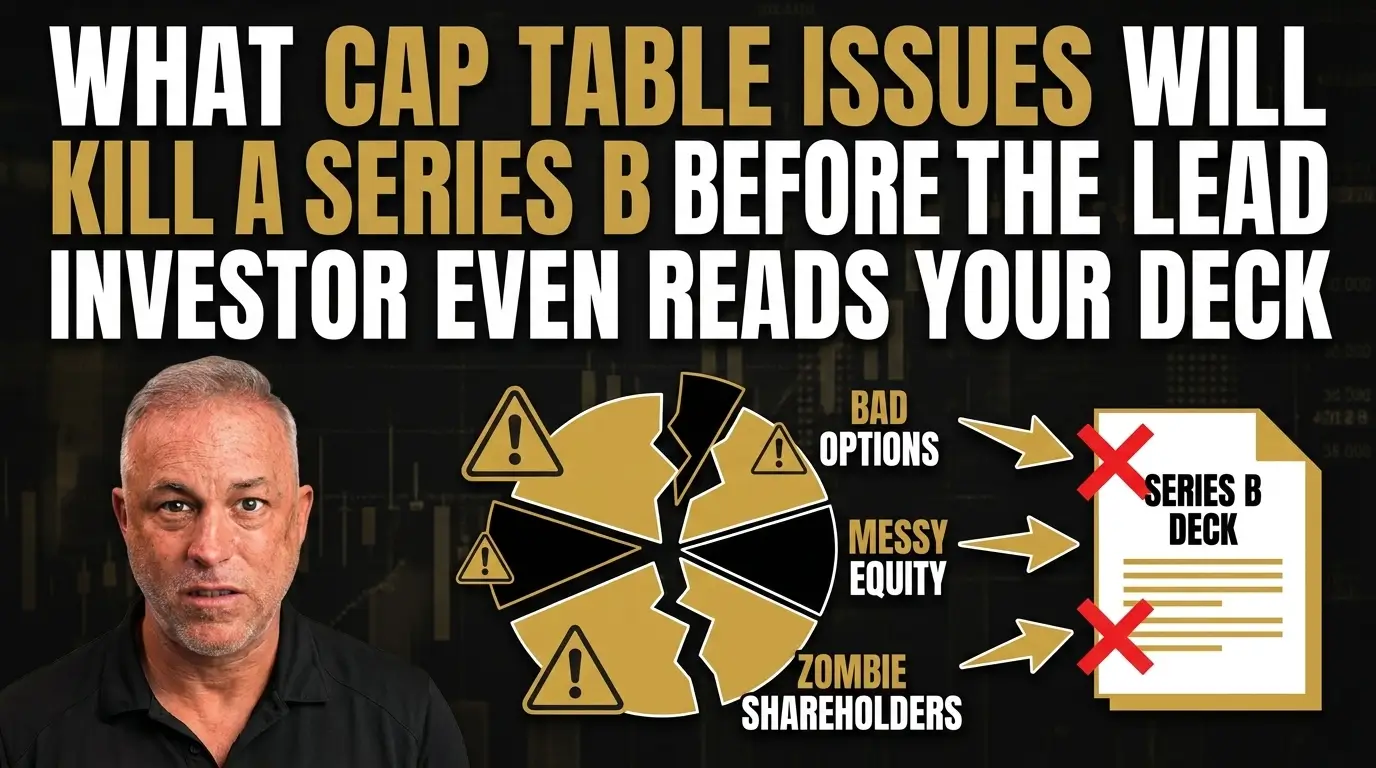
What Cap Table Issues Will Kill a Series B Before the Lead Investor Even Reads Your Deck
What Financial Materials Should Be Included in a First Institutional LP Follow-Up Package?
What Evidence Should a Company Assemble Before Claiming It Is Ready for an Institutional Capital Raise?
Disclosure
Nothing on this site constitutes an offer to sell, or a solicitation of an offer to purchase, any security under the Securities Act of 1933, as amended, or any applicable state securities laws. Any offering of securities is made only by means of a formal private placement memorandum or other authorized offering documents delivered to qualified investors.
IRC Partners is a capital advisory firm. IRC Partners is not a registered investment adviser under the Investment Advisers Act of 1940 and does not provide investment advice as defined thereunder.
Certain statements in this article may constitute forward-looking statements, including statements regarding market conditions, capital availability, investor demand, and transaction outcomes. Such statements reflect current assumptions and expectations only. Actual results may differ materially due to market conditions, regulatory developments, company-specific factors, and other variables. IRC Partners makes no representation that any outcome, return, or result described herein will be achieved.
References to prior mandates, transaction volume, network credentials, or capital raised are provided for illustrative purposes only and do not constitute a guarantee or prediction of future results. Past performance is not indicative of future outcomes. Individual results will vary. Network credentials and transaction statistics referenced on this site reflect the aggregate experience of IRC Partners' principals and affiliated advisors and are not a representation of assets managed or transactions closed solely by IRC Partners.
Certain data, statistics, and information presented in this article have been obtained from third-party sources. IRC Partners has not independently verified such information and expressly disclaims responsibility for its accuracy, completeness, or timeliness. Readers should independently verify any third-party data before relying on it.
Readers are strongly encouraged to consult qualified legal, financial, and tax professionals before making any investment, capital raising, or business decision.
Schedule A Meeting
You get one shot to raise the right way. If this raise is worth doing, it’s worth doing with precision, leverage, and control.
This isn’t a practice run. Serious capital. Serious strategy. Let’s raise it right.
We onboard a maximum of seven
new strategic partners each quarter, by application only, to maximize your chances of securing the capital you need.
